July is one of the most important months to review your storm readiness plan. Hurricane season officially runs from June 1 through November 30, and even in years when the overall forecast is quieter, one strong storm can still create major flooding, property damage, and emergency conditions. NOAA’s 2026 Atlantic hurricane outlook predicts a below-normal season overall, but still forecasts 8 to 14 named storms, including 3 to 6 hurricanes.
For property owners, managers, contractors, and business operators, storm preparation should not wait until a storm is already on the radar. Once heavy rain is in the forecast, supplies can become difficult to find, response time shrinks, and preventable water damage becomes much harder to control.
That is where sand bags come in.
Why Sand Bags Are a Smart First Step
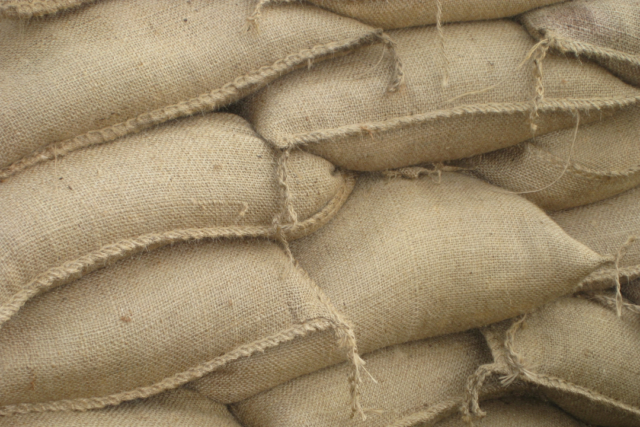
Sand bags are one of the simplest and most effective tools for helping redirect water away from vulnerable areas. They can be used around entrances, garage doors, loading areas, low points, basement access doors, storefronts, and other locations where water may collect during heavy rain.
While sand bags cannot stop all flooding, they can help reduce water intrusion when used properly and placed before storm conditions worsen. For many properties, they are a practical part of a larger emergency preparedness plan.
Common Places to Use Sand Bags
Before the next storm, walk your property and identify areas where water could enter or pool. Common locations include:
Building entrances
Front doors, side doors, and service entrances can allow water to seep in during heavy rain.
Garage doors and loading bays
Large openings are especially vulnerable when water moves across pavement or slopes toward the building.
Basement stairwells
Below-grade access points can collect water quickly during storms.
Storefronts and commercial doors
Retail and office spaces may need temporary barriers to help protect flooring, inventory, and equipment.
Utility or mechanical areas
Protecting spaces that house electrical, HVAC, fire protection, or mechanical systems can help reduce larger operational issues after a storm.
Why You Should Stock Up Before July Storms Hit
Waiting until a storm is approaching often creates unnecessary pressure. By preparing early, you can:
Avoid last-minute supply shortages
Give your team time to place sand bags correctly
Protect key entry points before heavy rain starts
Reduce preventable cleanup after the storm
Improve your overall emergency readiness plan
Ward Fire Suppression Services Corp offers Box of StormBags through its shop, giving property owners and businesses a simple way to prepare ahead of seasonal storms.
Storm Readiness Is About More Than One Product
Sand bags are an important part of storm preparation, but they should be used alongside a broader safety plan. Property owners should also check drainage areas, review emergency contacts, inspect sump pumps, confirm backup power needs, and make sure critical safety systems remain accessible.
For commercial and residential properties, emergency planning should also include fire protection systems, alarms, sprinklers, backflow systems, and emergency response procedures. Ward Fire Suppression Services Corp provides fire suppression services, sprinkler systems, standpipe systems, fire alarms, backflow testing, fire extinguishers, FDNY testing and certification, violation removals, and 24/7 emergency service.
Prepare Now Before the Next Storm
Storm damage often happens quickly, but preparation happens before the weather changes. July is the right time to review your property, identify flood-prone areas, and stock up on sand bags before demand increases.
Need StormBags for your property? Contact Ward Fire Suppression Services Corp or visit our shop to prepare before the next storm.