August may feel like the final stretch of summer, but for commercial property owners, facility managers, and building operators, it is also one of the best times to review fire protection systems before fall schedules pick back up.
As tenants return from vacations, schools prepare to reopen, businesses get busier, and seasonal maintenance demands increase, fire safety systems need to be ready. A small issue with a sprinkler system, standpipe, fire pump, emergency light, or detection device can become a much larger problem if it is not caught early.
Here are key fire protection priorities to review before the end of August.
1. Inspect Sprinkler Systems Before Fall Activity Increases
Sprinkler systems are one of the most important lines of defense in a commercial building. During the summer, heat, humidity, construction work, tenant improvements, and general wear can all impact system performance.
Before September, property teams should make sure sprinkler heads are not blocked, painted over, damaged, or obstructed by storage. Control valves should be accessible, properly positioned, and clearly marked. Any signs of corrosion, leaks, or low pressure should be addressed before the building enters a busier season.
If your building has not had a recent inspection, August is a smart time to schedule one.
2. Check Standpipe Systems in Larger Buildings
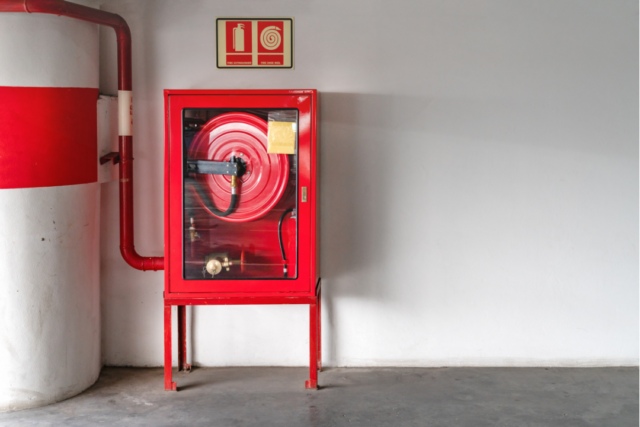
For high-rise buildings, large facilities, and multi-level properties, standpipe systems are critical for firefighter access during an emergency. These systems need to be properly maintained so they can deliver water where it is needed, when it is needed.
Common issues can include missing caps, damaged hose connections, pressure problems, leaks, and access obstructions. These problems may not be obvious during everyday operations, which is why routine inspection and testing are so important.
A standpipe issue should never be discovered during an emergency.
3. Review Fire Pump Performance
Fire pumps help maintain the water pressure needed for sprinkler and standpipe systems to function properly. If a fire pump is not operating correctly, the entire fire protection system may be compromised.
Late summer is a good time to check for unusual noises, leaks, controller issues, pressure inconsistencies, and signs of mechanical wear. Preventive maintenance can help reduce the risk of downtime and prevent larger repairs later.
For commercial buildings, warehouses, industrial properties, healthcare facilities, and multi-family buildings, fire pump reliability is not optional. It is a core part of life safety planning.
4. Test Emergency Lighting and Exit Signs
August is also a good time to review emergency lighting and exit signage. If power fails during a fire or emergency, occupants need a clear path to safely leave the building.
Facility teams should make sure exit signs are visible, illuminated, and not blocked by furniture, shelving, displays, or temporary storage. Emergency lighting should be tested to confirm that backup power works properly.
This is especially important for retail spaces, offices, schools, healthcare facilities, apartment buildings, and commercial properties with frequent visitors.
5. Look for Fire Hazards Created by Summer Use
Summer operations can create hidden fire risks. Storage areas may become crowded. Outdoor equipment may be moved indoors. Maintenance materials, cleaning products, cardboard, and packaging may accumulate in mechanical rooms or utility areas.
Before fall, walk through your building and look for preventable hazards, including:
Blocked electrical panels
Items stored near sprinkler risers or fire protection equipment
Combustible materials in mechanical rooms
Blocked exits or stairwells
Overloaded outlets or extension cords
Poorly maintained kitchen or cooking areas
Obstructed fire extinguishers
Clearing these issues now can help reduce risk and improve compliance.
6. Address Open Violations Before They Escalate
If your property has open fire protection violations, August is the time to act. Waiting until the fall can create scheduling delays, increase pressure on your operations team, and leave your building exposed to unnecessary risk.
Violations related to inspections, testing, repairs, sprinkler systems, standpipes, fire pumps, alarms, or emergency lighting should be handled quickly and properly. Correcting these issues helps protect your property, your occupants, and your compliance standing.
7. Schedule Preventive Maintenance Before the Busy Season
Preventive maintenance is one of the most effective ways to avoid emergency service calls. Instead of waiting for a system failure, inspections and repairs can identify issues before they interrupt building operations.
For property managers, August is a strong month to schedule:
Sprinkler inspections
Standpipe testing
Fire pump maintenance
Pressure testing
Emergency lighting checks
Smoke and heat detection reviews
Fire suppression system repairs
Violation corrections
This gives your team time to resolve issues before the fall rush.
Protect Your Building Before Fall
Fire protection systems are easy to overlook when everything appears to be working. But the purpose of inspection, testing, and maintenance is to confirm that your systems will perform when they are needed most.
Before August ends, take the time to review your building’s fire safety systems and address any concerns.
Ward Fire Suppression Services Corp. provides fire protection solutions for commercial, residential, industrial, healthcare, educational, retail, and office properties. From inspections and testing to repairs, violation removals, emergency service, sprinkler systems, standpipes, and fire pumps, our team helps keep buildings safer and compliant.
Contact Ward Fire Suppression Services Corp. to schedule your August fire protection inspection or service.